Profitable Food Businesses in Mexico
 0
0
 0
0
Mexico’s food scene is a gold mine for entrepreneurs willing to put in the work. With a population north of 128 million people, a deeply ingrained street food culture, and a growing middle class eating out more than ever, the demand for good food never really slows down. I’ve spent years watching small food operations turn into real businesses here, and I want to walk you through what actually makes money in this market and what it takes to get there.
This isn’t a fantasy pitch about overnight riches. Running a food business in Mexico takes capital, permits, and patience. But the margins can be strong, startup costs are often lower than in the US or Canada, and the customer base is loyal once you win them over.
Why Mexico Is a Strong Market for Food Entrepreneurs
Mexicans eat out often, and street food is part of daily life rather than a novelty. Tacos, tortas, and antojitos are consumed at breakfast, lunch, and late at night, which means a food stall or small restaurant can generate revenue across multiple dayparts.
Labor and ingredient costs also work in your favor. Fresh produce, meat, and staples like corn and beans are affordable and widely available, especially if you source locally instead of relying on imported goods. Rent for a small commercial space in most cities outside Mexico City’s premium neighborhoods stays reasonable compared to equivalent spaces in the US.
Tourism adds another layer of opportunity. Cities like Tulum, Playa del Carmen, Puerto Vallarta, and San Miguel de Allende see steady foreign visitor traffic willing to spend more on food experiences, from upscale Mexican cuisine to international concepts that feel familiar to them.
The Most Profitable Food Business Models
Street Food and Taco Stands
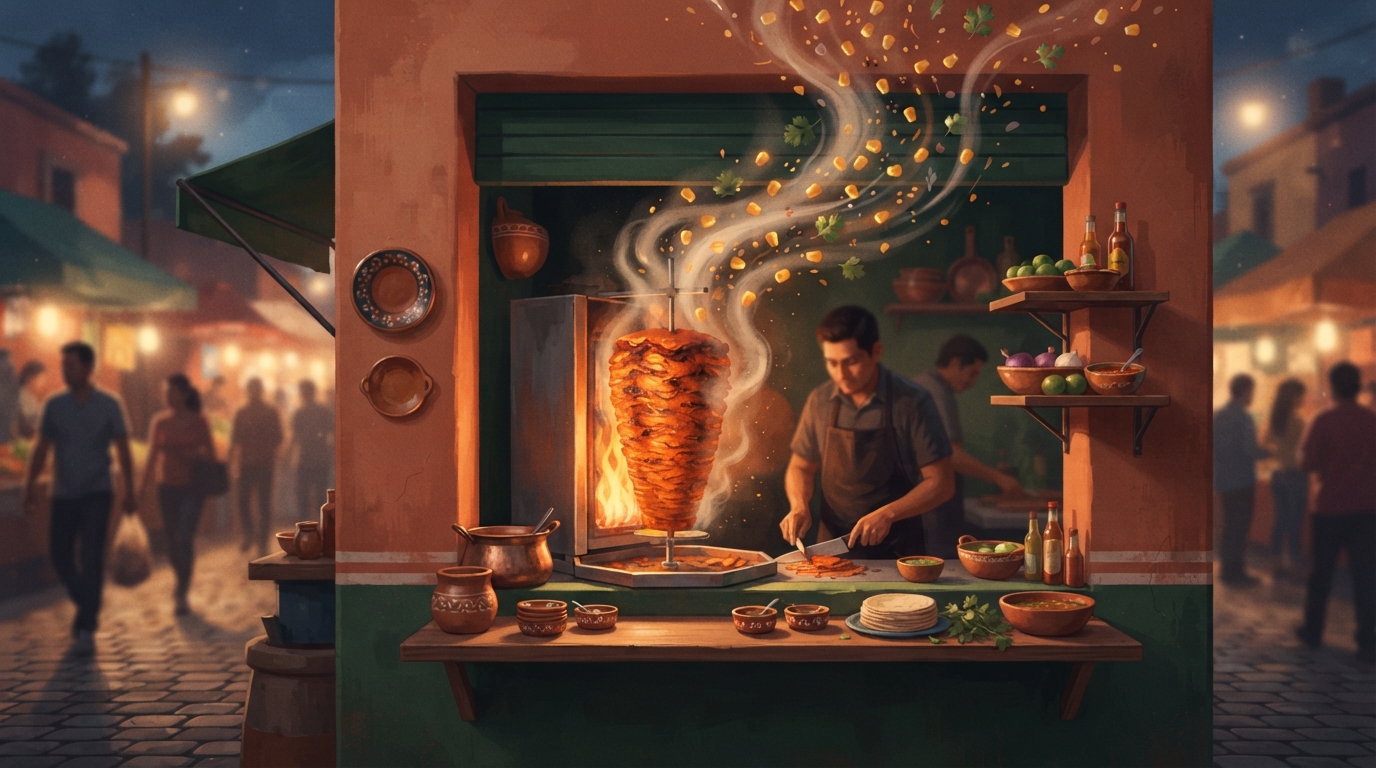
A taco stand remains one of the lowest-cost, highest-margin food businesses you can start in Mexico. A basic setup with a grill, a few coolers, and a fold-out table can run under $3,000 USD in startup costs. Ingredient costs per taco are low, and a well-located stand in a busy neighborhood or near a bus stop can sell hundreds of tacos a day.
The catch is location and consistency. Success here comes down to picking a spot with steady foot traffic, keeping your recipe consistent, and building a reputation through word of mouth rather than advertising. The best taco stands I’ve seen didn’t win with novelty, they won by being reliably good every single day.
Small Sit-Down Restaurants (Fondas and Cocinas Económicas)
Fondas, the small family-run comedores that serve a daily set menu (comida corrida), remain a dependable business model across Mexico. Customers pay a fixed price for soup, a main dish, rice, and a drink, usually somewhere between 60 and 120 pesos depending on the city.
These places thrive near office districts and industrial zones where workers want a filling, affordable lunch without the wait of a full restaurant. Margins are tighter per plate, but volume during the lunch rush makes up for it. Overhead stays manageable because you’re not paying for a big dining room or elaborate décor.
Bakeries and Panaderías
Bread is a daily purchase for most Mexican households, and a well-run neighborhood panadería builds a loyal customer base fast. Pan dulce, bolillos, and conchas move quickly in the early morning and late afternoon, and repeat customers visit almost every day.
The equipment investment is higher than a taco stand because you need proper ovens and mixers, but the daily cash flow from regular customers makes it one of the more stable food businesses on this list.
Food Trucks and Mobile Concepts
Food trucks have grown fast in cities like Guadalajara, Monterrey, and Mexico City, especially for concepts that mix international flavors with local ingredients. A well-branded truck serving gourmet burgers, Korean-Mexican fusion, or specialty coffee can charge premium prices to a younger, urban crowd.
Startup costs run higher than a stand because of the vehicle itself, but you gain flexibility to move between events, office parks, and nightlife zones depending on where demand is strongest that day.
Catering and Event Food Services
Weddings, quinceañeras, corporate events, and family celebrations are a massive part of Mexican culture, and catering services built around these events can be extremely profitable. A catering business avoids the overhead of a fixed location entirely and lets you charge premium rates for large group orders.
Building relationships with event planners and venue owners is the fastest way to get consistent bookings in this space.
Comparing Startup Costs and Earning Potential
| Business Type | Estimated Startup Cost (USD) | Typical Daily Revenue Potential | Best Location Type |
|---|---|---|---|
| Taco stand | $1,500 to $4,000 | $150 to $500 | High foot traffic streets |
| Fonda / comida corrida | $5,000 to $15,000 | $300 to $900 | Office or industrial zones |
| Panadería | $8,000 to $20,000 | $200 to $700 | Residential neighborhoods |
| Food truck | $15,000 to $40,000 | $250 to $800 | Events, nightlife, office parks |
| Catering service | $3,000 to $10,000 | Varies by event, often $500 to $5,000 per event | No fixed location needed |
These numbers shift based on city, but they give you a realistic range to plan against rather than guessing blind.
What Separates Profitable Businesses From the Rest
I’ve seen plenty of food businesses open with excitement and close within a year. The ones that last share a few habits.
- They control food costs obsessively, tracking waste and adjusting portions rather than guessing at pricing.
- They pick location based on foot traffic data and competitor mapping, not gut feeling alone.
- They register properly with SAT and get the right permisos from the local municipality, avoiding fines or shutdowns later.
- They build a consistent product before expanding the menu, resisting the urge to offer everything at once.
- They reinvest early profits into better equipment or a second location rather than pulling cash out too soon.
Permits and Legal Basics You Cannot Skip
Every food business in Mexico needs to register with the Servicio de Administración Tributaria (SAT) for tax purposes and obtain a business license from the local municipality (licencia de funcionamiento). Depending on your state, you may also need a health permit from the Secretaría de Salud, which usually involves an inspection of your kitchen or stall setup.
Food handlers often need a basic hygiene certification, and if you plan to sell alcohol alongside food, that requires a separate permit process entirely. Skipping these steps might save time upfront, but it creates real risk of fines or forced closure once your business gets noticed.
Key Takeaways
Mexico offers real opportunity for food entrepreneurs, from low-cost taco stands to catering operations serving weddings and corporate events. The businesses that succeed treat food quality, location, and legal compliance as non-negotiable rather than afterthoughts. Startup costs stay accessible compared to many other countries, but margins depend heavily on consistency and smart cost control.
If you’re serious about starting a food business here, spend a few weeks researching your specific city’s foot traffic patterns, talk to other vendors about their permit experience, and start small enough that mistakes don’t sink you. Get the fundamentals right first, then scale once you know your product sells.